
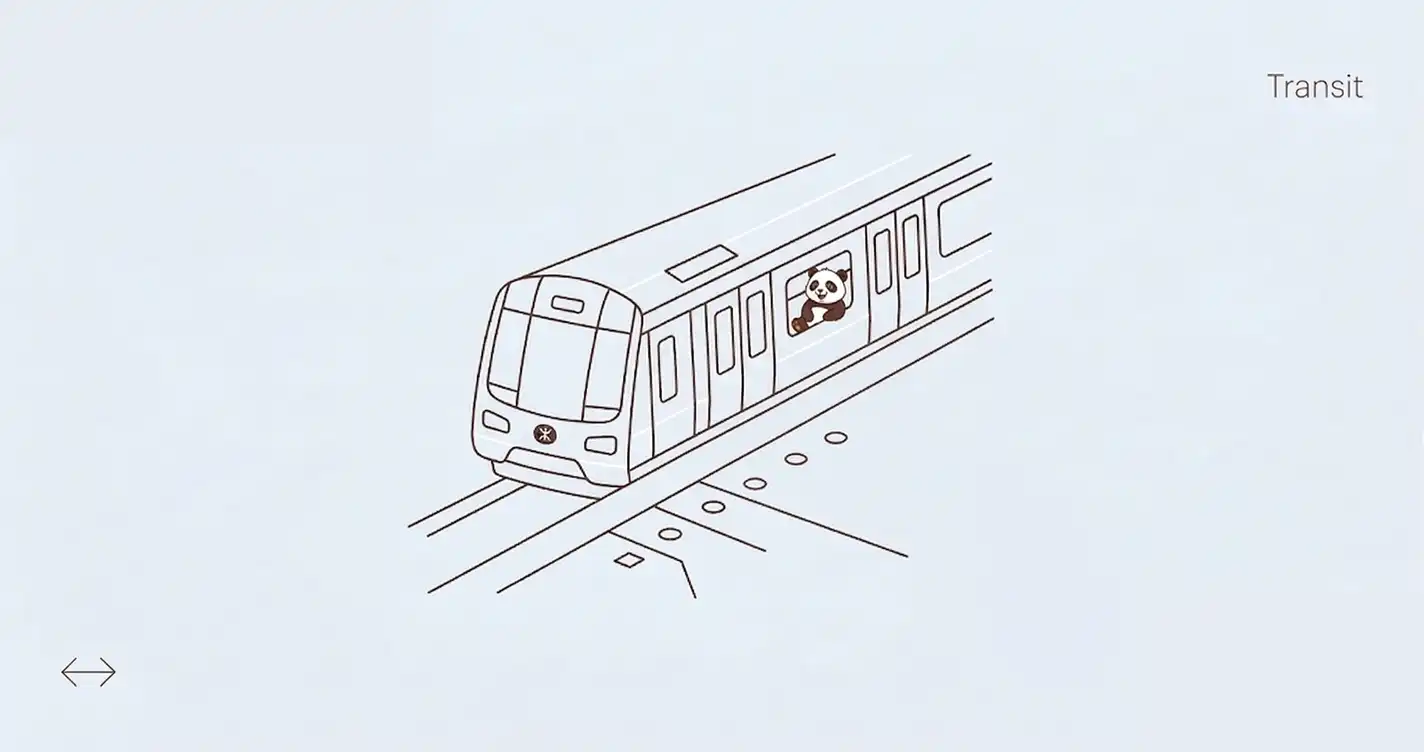
Hong Kong is not part of mainland China for immigration purposes. It operates under a separate legal system, uses a different currency (Hong Kong dollar), has its own SIM card infrastructure, and controls its own borders. Crossing between Hong Kong and the mainland requires going through immigration in both directions.
Most Western travelers find this straightforward once they understand what is happening. For the high-speed train connection: HK to Mainland Bullet Train Guide.
At a Glance
| Item | Detail |
| Currency | Hong Kong Dollar (HKD). 1 HKD is approximately 0.9 CNY. |
| Visa | Most Western passports: 90-day visa-free. No China visa required separately. |
| Language | Cantonese is the primary language. English is widely spoken. Mandarin understood. |
| Internet | Unrestricted. No VPN needed. All Google, Facebook, Instagram apps work. |
| Payment | Octopus card for MTR + retail. Mainland Alipay works at many places. Cards widely accepted. |
| SIM card | Local SIM at airport: ~HK$80 for 3 to 5 days. Or use eSIM. |
The Border Crossings
By high-speed train: West Kowloon (recommended)
The most convenient crossing for travelers already using China’s high-speed rail network. Direct G-trains from Shenzhen North, Guangzhou South, and major mainland cities terminate at West Kowloon Station in Hong Kong’s Kowloon district. Immigration is conducted at the departure station, not at the border itself, so you clear mainland customs at the departure city and Hong Kong customs at West Kowloon. Full guide: HK to Mainland Bullet Train Guide.
By MTR: Lo Wu and Futian Checkpoint
The most popular crossings for Shenzhen-based travelers. Take the Shenzhen Metro to Lo Wu or Futian stations, walk through the land border crossing (queues can be long on weekends and holidays), and connect to Hong Kong’s MTR on the other side. Futian Checkpoint (at Lok Ma Chau station) is newer and tends to have shorter queues. Journey from Futian to central Hong Kong: about 40 minutes on the MTR East Rail Line.
By ferry
Multiple ferry routes connect Hong Kong to Guangzhou, Zhongshan, Zhuhai, and Macau. The China Ferry Terminal in Tsim Sha Tsui handles routes to Guangdong ports. Ferries are slower than the train but drop you directly at convenient points within the city. Good option for travel to cities not on the main rail line.
Hong Kong: A 24-Hour Guide
If you are transiting through Hong Kong or spending a short layover, here is how to see the essential Hong Kong in one day. The city is compact, efficient, and the MTR connects every major attraction.
Morning: Victoria Harbour and Tsim Sha Tsui
Start at the Avenue of Stars on the Tsim Sha Tsui waterfront. The view across Victoria Harbour to Hong Kong Island’s skyline is the definitive Hong Kong image. Walk west along the promenade to the Star Ferry pier. Take the Star Ferry across the harbor to Central (HK$3.40, 10 minutes): one of the world’s great ferry journeys, completely functional and used by locals daily. On the Island side: walk along the Central harbourfront.
Afternoon: The Peak and Mid-Levels
Take the Peak Tram from Garden Road in Central up to Victoria Peak (484 metres, HK$55 one way). The tram is extremely steep: the angle of ascent is arresting. From the Peak viewing platform, look down over the city, the harbor, and Kowloon. On a clear day, you can see across to the Pearl River Delta. Walk the 3.5 km circular Peak Circuit trail around the summit for the best views. Return by tram or take the bus down to the Mid-Levels escalator.
Evening: Nathan Road and Temple Street
Return to Kowloon for the evening. Nathan Road is the main commercial artery running south from Mong Kok through Jordan and Yau Ma Tei. Temple Street Night Market (open from 5pm, busiest 8pm to midnight) sells clothing, electronics, and souvenirs. The Tin Hau Temple at the market’s center hosts fortune tellers who operate from folding tables. The symphony of lights over Victoria Harbour runs every night at 8pm and is visible from the Tsim Sha Tsui promenade.
What to Eat in Hong Kong
| Food | What It Is | Where |
| Dim sum (yum cha) | The original Cantonese dim sum. Served from 7am. Tea house culture at its best. | Tim Ho Wan (Michelin-starred, affordable). Traditional yum cha restaurants in Jordan and Mong Kok. |
| Char siu (BBQ pork) | Lacquered roast pork hung in the window. Eaten over rice or in buns. | Any BBQ meat shop. Yat Lok in Central for Michelin-starred roast goose and char siu. |
| Pineapple bun (菠蘿包) | Dense sweet bread with no actual pineapple. Eat with a thick slab of butter inside. | Any cha chaan teng (Hong Kong-style diner). Kam Wah Cafe in Mong Kok. |
| Wonton noodles (雲吞麵) | Thin egg noodles in shrimp-pork wonton soup. Very different from mainland versions. | Mak’s Noodles in Central. Any local noodle shop. |
| Egg tarts (蛋撻) | Flaky pastry or shortcrust shell with smooth egg custard. Best eaten warm. | Tai Cheong Bakery, multiple locations. Very HK. |
Essential Practical Info
The Octopus Card
Buy an Octopus Card at any MTR station (HK$150 includes HK$50 deposit + HK$100 credit). Works on MTR, buses, ferries, trams, 7-Eleven, supermarkets, and most restaurants. Refund your deposit at any MTR customer service center before leaving.
Getting around
The MTR is clean, fast, and fully English-signposted. Trams on Hong Kong Island run east-west and cost HK$3 flat fare (pay on exit). Double-decker buses cover areas not on the MTR. Uber and taxis are available but the MTR is almost always faster.
Transit visa-free for mainland travelers
If you are transiting through Hong Kong on your way between a third country and mainland China, Hong Kong’s visa-free policy may apply. Additionally, some travelers use the 240-hour mainland China transit visa-free policy in combination with a Hong Kong stop. Full transit visa information: 240-Hour Transit Visa-Free Guide.
Frequently Asked Questions
For the high-speed train between HK and the mainland: HK to Mainland Bullet Train Guide.